Why You Need a Zoning Certificate Before Buying Property in Ekurhuleni
Buying property is one of the biggest financial decisions most people make, and in Ekurhuleni, it’s a decision that shouldn’t be made without a zoning certificate. This single document tells you exactly what a property may legally be used for — and skipping it is one of the most common (and costly) mistakes buyers and investors make.
Whether you’re a first-time homeowner, a property investor, or a developer eyeing your next project, understanding zoning is the difference between a smooth purchase and a legal headache down the line.
What Is a Zoning Certificate?
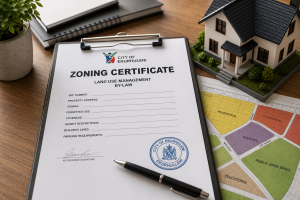
A zoning certificate sometimes called a land use certificate — is an official municipal document confirming the current, legally approved use of a specific property. It sets out the zoning category (residential, commercial, industrial, agricultural, and so on), along with any conditions, density restrictions, or coverage limits attached to the land.
In short, it’s your zoning verification: proof, straight from the municipality, of what you’re actually allowed to do with a property once you own it.
Without this document, you’re relying on assumptions and assumptions about municipal zoning can be expensive. A property that looks residential might carry restrictions that prevent renovations, additions, or a home business you were planning to run from it.
Why Buyers Should Obtain One
Many buyers only think about zoning after transfer has already gone through — by which point it’s too late to negotiate or walk away. Requesting zoning information before you sign anything protects you in a few key ways:
- You confirm the property matches its intended use. A home zoned for a use different to what you expect can derail your plans entirely.
- You avoid inheriting existing contraventions. If a previous owner built or operated outside the approved zoning, that liability can transfer to you.
- You strengthen your negotiating position. Zoning issues are far easier to negotiate into the purchase price before transfer than to resolve afterward.
- You satisfy bond and insurance requirements. Some financial institutions request zoning confirmation as part of the approval process, particularly for commercial or mixed-use properties.
For anyone buying with the intention of extending, subdividing, or developing further, this step isn’t optional — it’s foundational.
How Zoning Affects Development
Zoning doesn’t just describe current use; it dictates what’s possible in the future. If you’re planning any kind of development — a second dwelling, a home office, a commercial conversion, or a larger project your property zoning certificate will tell you upfront whether that’s even permitted, and under what conditions.
This matters for:
- Building height and coverage — how much of the erf you can build on, and how tall.
- Density and use rights — how many units or structures are allowed, and for what purpose.
- Setback and boundary requirements — how far structures must sit from property lines.
If your plans fall outside what the current zoning allows, you may need to apply for rezoning or a consent use before proceeding — both processes that are far easier to plan for before you own the property than after.
Common Zoning Restrictions
Some of the most frequent restrictions that catch buyers off guard include:
- Limits on running a business from a residential property
- Restrictions on subdividing or consolidating erven
- Conditions tied to title deeds that layer additional limitations on top of standard zoning
- Density caps that limit how many units can legally be built on a single stand
If a title deed restriction is standing in the way of your plans, it’s worth knowing that these can, in the right circumstances, be formally lifted — see our guide on removing restrictive title conditions for more detail.
When to Request Professional Assistance
Zoning records aren’t always straightforward to interpret, and municipal systems don’t always reflect the most current information. This is where working with a registered professional planner matters. A SACPLAN-registered planner can pull accurate, up-to-date zoning information directly from the municipality, interpret exactly what it means for your plans, and flag any red flags before you commit to a purchase.
It’s also worth knowing that municipalities are entitled to require planning-related applications to be handled by registered planners — a position the courts have upheld. Working with a properly registered consultant from the outset isn’t just best practice; it’s the safest way to avoid delays, refusals, or disputes later on.
Conclusion

A zoning certificate isn’t paperwork you can afford to skip it’s the foundation of a safe, informed property purchase in Ekurhuleni. Before you sign an offer to purchase, know exactly what the land is zoned for, what restrictions apply, and what your future plans will require.
Urban Arrow’s team of SACPLAN-registered town planners can verify zoning, interpret the fine print, and guide you through the entire process so you buy with confidence, not guesswork.